
Free A-Level Chemistry Exam Technique Guide
The 5 Most Examined A-Level Chemistry Topics
(And How A/A* Students Answer Them)
After analysing lots of A-Level Chemistry exam papers, I've identified 5 of the most frequently examined topics and broken down exactly how examiners award marks on the questions students struggle with most.
Inside, you'll see model A/A* answers, common mistakes that lose marks, and the answer structures examiners expect to see.
✓ Written specifically for A-Level Chemistry students
✓ Includes model A/A* answers to common exam questions
✓ Learn the mistakes that repeatedly cost students marks
15+ years tutoring experience | Exam technique specialist | First Class Russell Group Chemistry graduate | Hundreds of students taughtWhy Hard Work Doesn’t Always Mean Higher Grades
Many A-Level Chemistry students spend hours revising, but still find their grades stuck below where they need to be.
As a parent, that can be incredibly frustrating to watch.
Your child may understand the content, complete past papers and work hard throughout the year, yet still lose marks because they don't fully understand how OCR examiners award them.
In Chemistry, small mistakes can have a surprisingly large impact on grades.
A missed step in a calculation.
A curly arrow drawn incorrectly.
An incorrectly described reaction observation.
An answer that is “in the right ball park”, but not the exact wording the examiner is looking for. (Yes, this matters!)
These small errors can quickly add up across a paper and make the difference between a B and an A, or an A and an A*.
If your child is aiming for a competitive university course such as Medicine, Dentistry, Veterinary Science, Pharmacy or Chemical Engineering, those marks matter.
This guide was created to help students master identified topics most commonly examined across the major exam boards in England, and understand exactly how high-scoring students approach them.
OCR Chemistry Isn't Just About Knowing The Content
Many students understand the theory but still lose out on marks because they:
❌ Miss key steps in multi-step calculations
❌ Forget what examiners are actually looking for
❌ Make avoidable errors in mechanisms
❌ Know the topic but don't know how to structure their answer
❌ Lose method marks even when their final answer is close
By developing exam technique on high-frequency exam topics, students can maximise their marks and improve their exam performance.
Study Smarter With Examiner-Focused Revision
This guide doesn't just tell you which topics appear regularly. It shows:
✓ Why students lose marks
✓ What examiners expect
✓ The exact methods and phrasing that earn marks
✓ Typical A/A* responses
✓ Repeatable approaches you can use in future exams
Each topic includes worked examples and exam-focused commentary designed to help students convert knowledge into marks.
Why these 5 topics matter
These 5 topics alone made up nearly 50% of the marks across the OCR June 2024 Exam Series
Your child still needs to revise the full specification.
But understanding how to answer questions from these high-frequency topics can make a significant difference to their final grade.
What’s inside the guide?
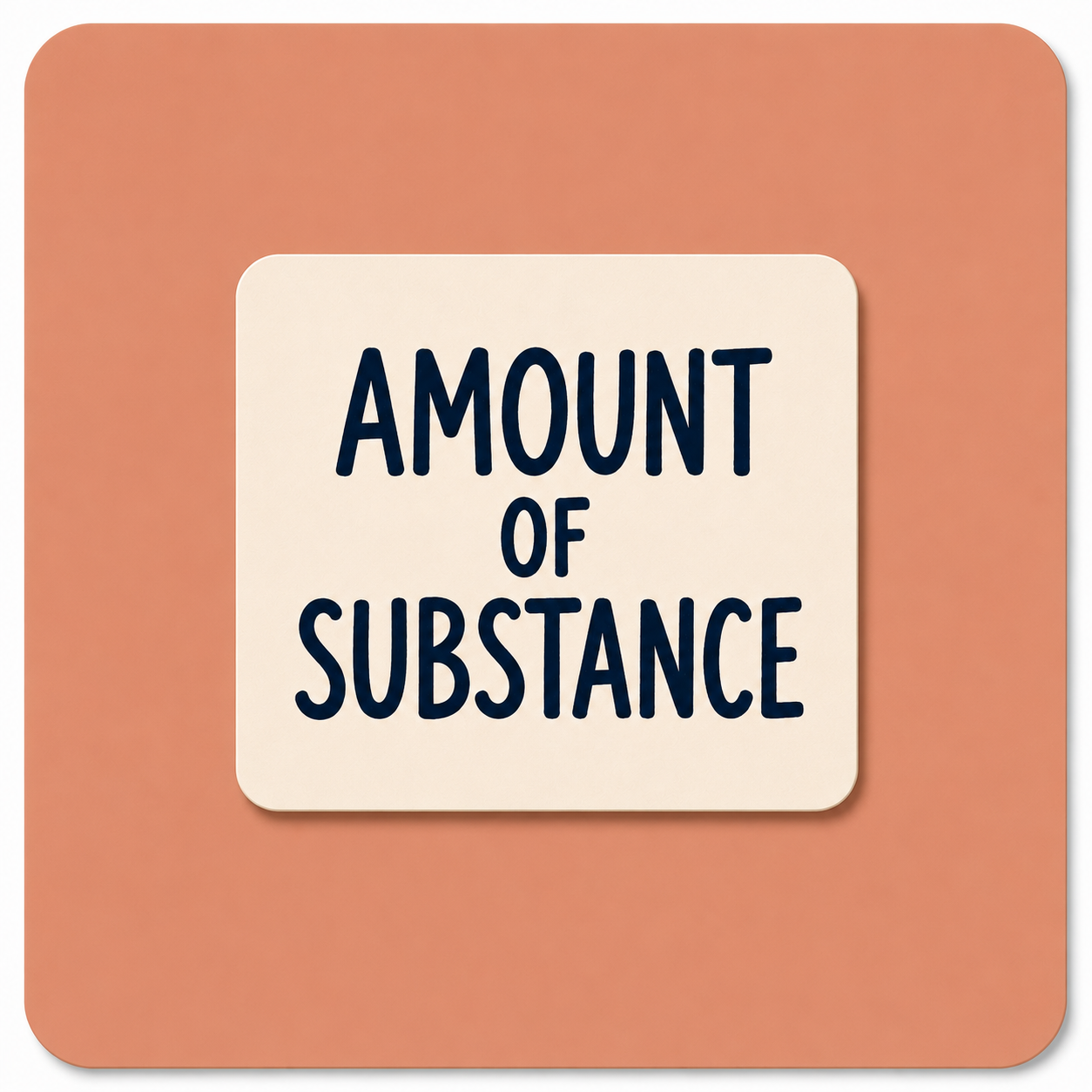
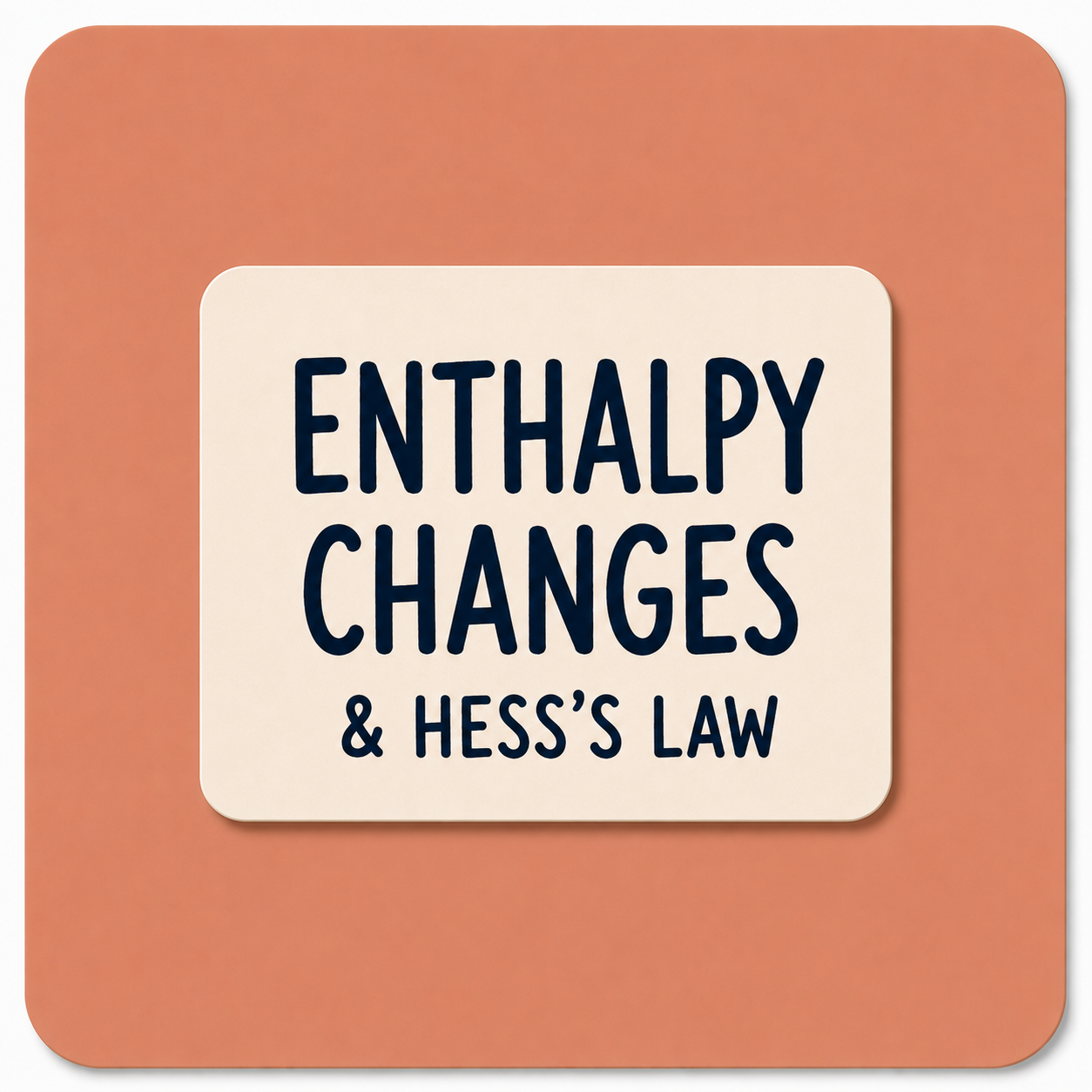

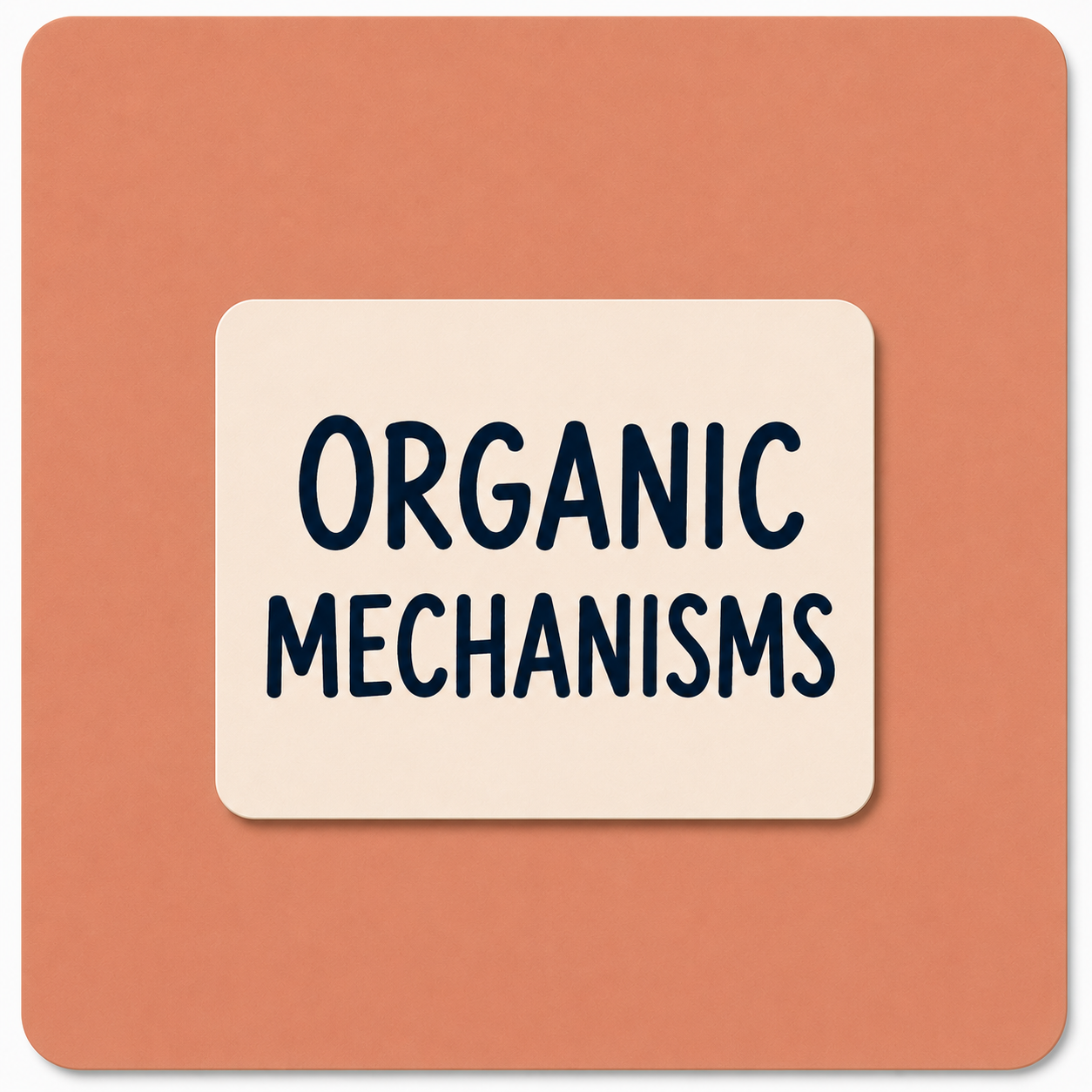
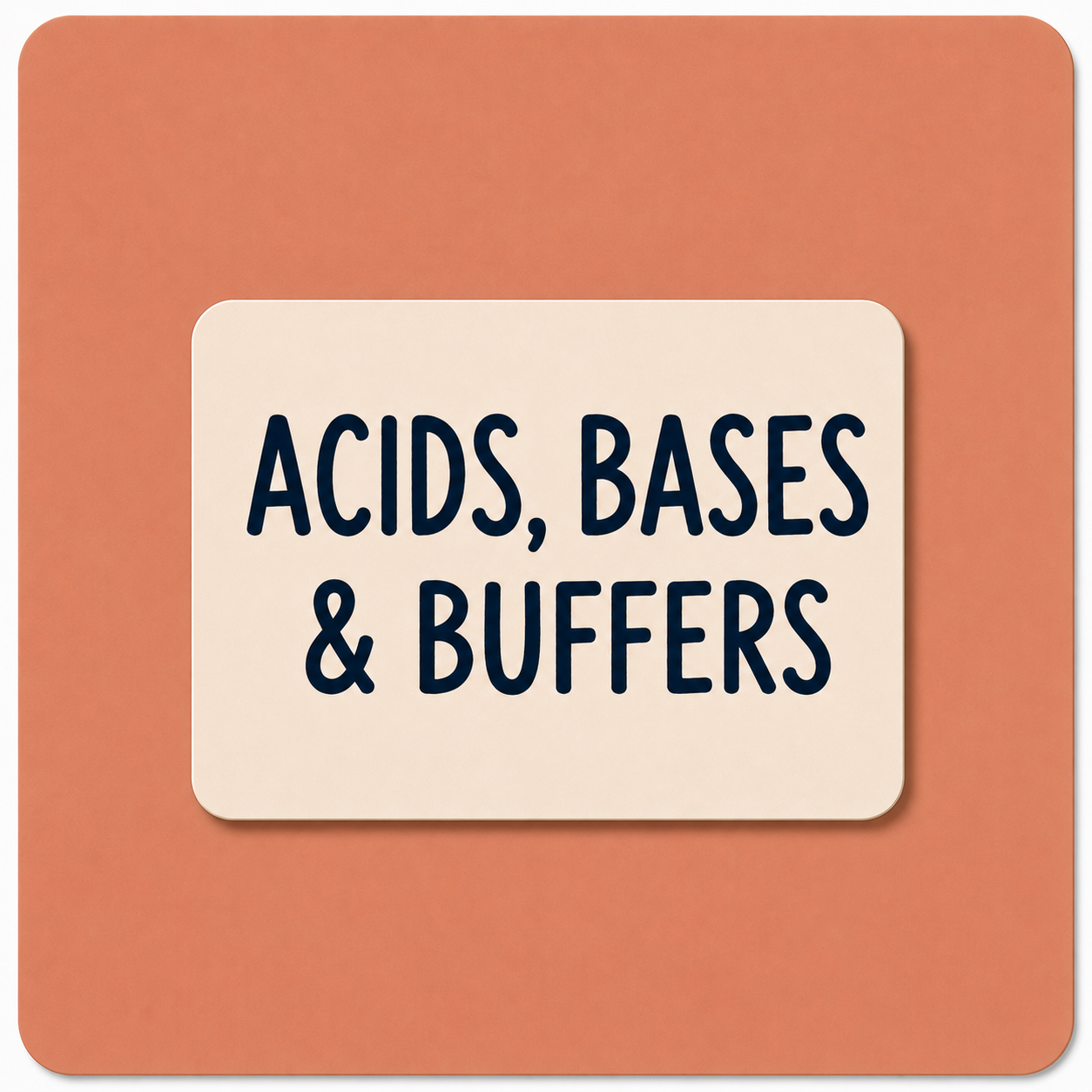
Does This Sound Familiar?
“My child studies hard for Chemistry regularly, but their grades still aren’t where they need to be.”
This guide is right for your child if...
✓ Your child is working hard but their grades aren't improving
✓ They keep making avoidable mistakes in exams
✓ They're aiming for an A or A* in Chemistry
✓ They need top grades for a competitive university course
✓ They understand the content but struggle to convert it into marks
This guide is NOT right for your child if...✗ They're looking for a shortcut to exam success
✗ They're not studying A-Level Chemistry
✗ Content knowledge is the main issue right now
✗ They're unwilling to review and improve exam technique
✗ They're already predicted and working at A/A* grades
A Message From Ope
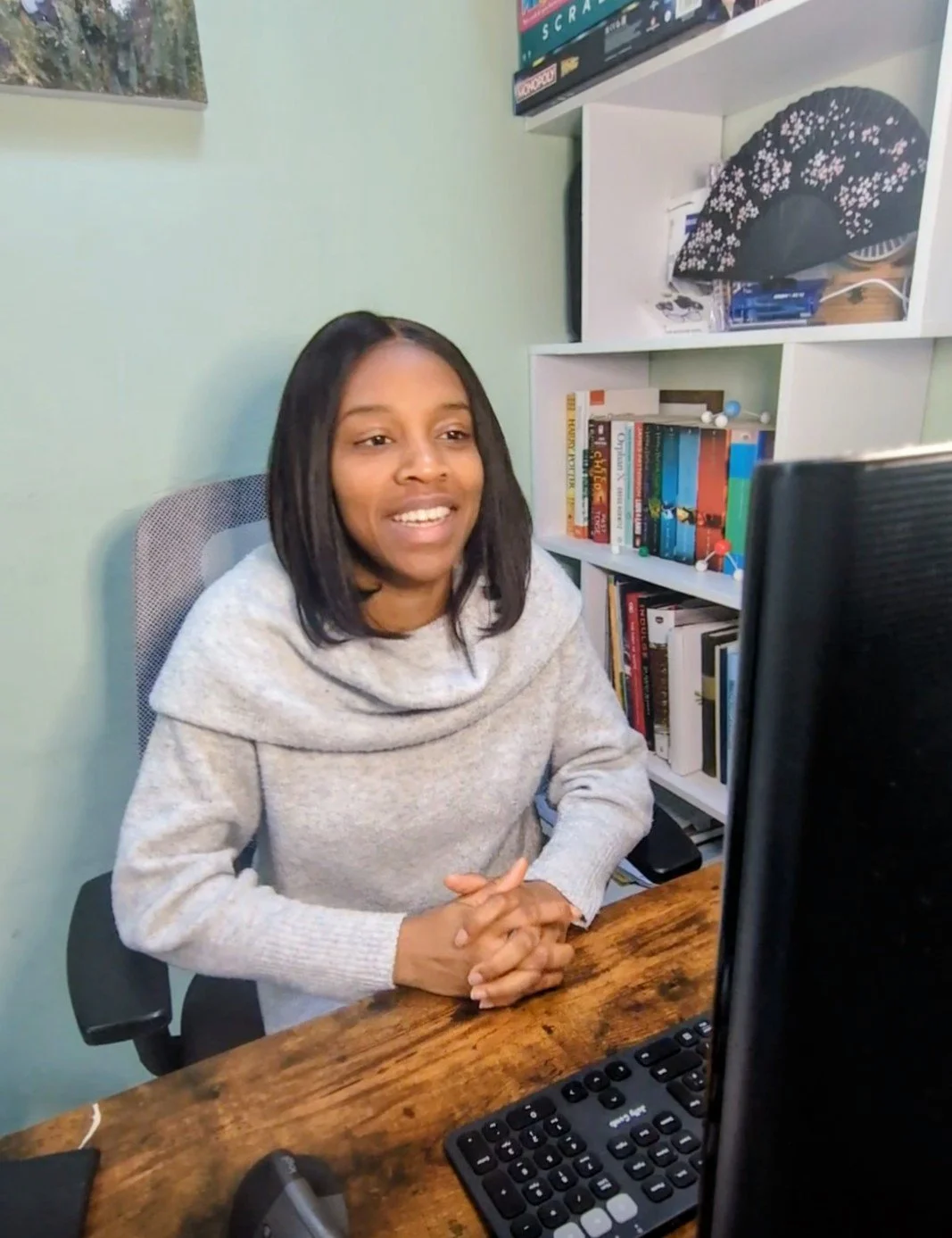
Hi, I’m Ope
I'm an A-Level Chemistry Exam technique specialist with over 15 years of tutoring experience, a First Class Chemistry degree and a scholarship-winning MSc from leading Russell Group Universities.
Over the years I've worked with hundreds of Chemistry students and I've noticed something important:
Many students don't lose marks because they don't know Chemistry.
They lose marks because they don't understand how to communicate their knowledge in the way examiners expect.
That's why I created this guide.
It gives students a clearer understanding of where marks are gained or lost, and how they can approach some of the most frequently examined A-Level topics with greater confidence.
What Parents Tell Me
Frequently Asked Questions
-
This guide is designed specifically for A-Level Chemistry students, particularly those who understand the content, but struggle with exam technique. It is also aimed at those working towards A and A* grades.
This guide is intended to be exam-board agnostic, so you are advised to cross-check content against your exam board’s specification.
-
Yes. Simply enter your email address and you'll receive immediate access.
-
No resource can guarantee a particular grade. However, the guide is designed to help students understand common examiner expectations, avoid frequent mistakes and develop stronger exam technique. When used efficiently, this guide will help to improve exam technique on these common exam questions.
-
The guide is based on historical OCR exam trends and should be used alongside revision of the full OCR A-Level Chemistry specification. I make no guarantees about future predictions on exam questions.
-
Immediately after submitting the request form. Click the download button to enter your email address to receive the form.
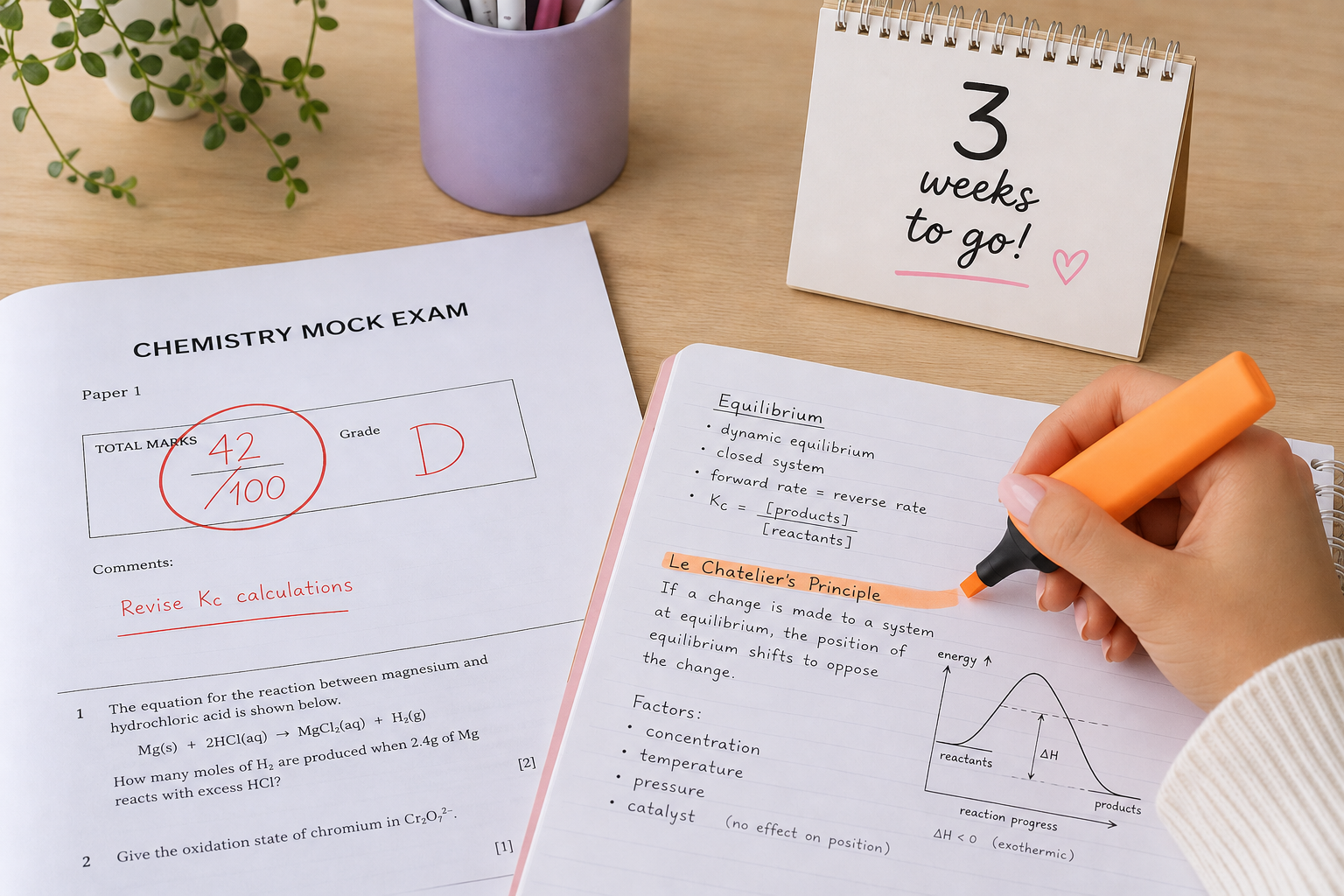
Download the 5 Most Examined Topics Guide
If your child is aiming for top grades in OCR A-Level Chemistry and wants to avoid losing marks unnecessarily, this guide is an excellent place to start.
Download your free copy today and help your child understand the topics, techniques and examiner expectations that can make a meaningful difference to their Chemistry performance.